
Lekhapatra
A simple, mobile-first POS system for Nepal’s tea shops and cafes, streamlining orders, inventory, and business operations.
In-house product
2026
// Project Summary
Why React Native Is Often a Better Choice Than Flutter in 2026
Choosing the right cross-platform framework can define the success, speed, and scalability of your product. Two dominant players—React Native and Flutter—continue to compete closely. While both are powerful, React Native often proves to be the more practical and business-friendly choice in real-world scenarios.
This article breaks down why React Native can be better than Flutter, especially for startups, growing teams, and production-scale apps.
1. Massive Talent Pool (JavaScript Advantage)
React Native is built on JavaScript and TypeScript—two of the most widely used programming languages in the world. This gives it an immediate advantage:
Easier hiring process
Lower developer costs
Faster onboarding for new team members
In contrast, Flutter uses Dart, which still has a relatively smaller developer community. That means finding experienced Flutter developers can be harder and more expensive.
2. Code Reusability Across Platforms (Web + Mobile)
React Native integrates naturally with the React ecosystem, allowing partial or even significant code reuse between:
Mobile apps (iOS + Android)
Web apps (via React)
This is a huge benefit for startups and SaaS platforms trying to maintain a unified codebase.
Flutter, while improving in web support, still doesn’t offer the same level of seamless multi-platform integration.
3. Mature Ecosystem and Community
React Native has been around longer and is backed by a massive open-source ecosystem:
Millions of npm packages
Extensive third-party libraries
Strong community support
This translates to:
Faster development
Ready-made solutions for most features
Less need to build things from scratch
Flutter’s ecosystem is growing, but it still lags behind in depth and maturity.
4. Faster Development with Familiar Tools
If your team already uses React (which many do), React Native becomes an obvious extension:
Same concepts (components, hooks, state management)
Shared tooling and libraries
Reduced learning curve
Flutter requires learning a completely new framework, UI system, and language, which increases initial development time.
5. Improved Performance with New Architecture
Historically, Flutter had a performance edge. But that gap has narrowed significantly.
React Native’s new architecture (Fabric + TurboModules) offers:
Better rendering performance
Reduced bridge overhead
Smoother animations
For most real-world applications, the performance difference is now negligible.
6. Native Feel and Platform Flexibility
React Native uses actual native components, which means:
Better adherence to platform-specific UI/UX
Easier integration with native modules
More flexibility when customizing behavior
Flutter renders everything using its own engine, which can sometimes feel less “native” and require extra work for platform-specific experiences.
7. Easier Integration with Existing Apps
React Native can be gradually integrated into existing native apps. This is a major advantage for companies that:
Already have iOS or Android apps
Want to migrate incrementally
Flutter usually requires a more all-in approach, making partial adoption harder.
8. Backed by Real-World Production Usage
React Native is used in large-scale production apps like:
Facebook
Instagram
Shopify
This demonstrates its ability to scale and perform in real-world, high-demand environments.
When Flutter Might Be Better
To be fair, Flutter has its strengths:
Highly consistent UI across platforms
Strong performance for graphics-heavy apps
Better control over design systems
If your app is animation-heavy or requires pixel-perfect UI across devices, Flutter can be a strong choice.
Final Verdict
React Native stands out as the better choice when you prioritize:
Faster hiring and development
Shared web + mobile ecosystem
Flexibility and scalability
Real-world production readiness
Flutter is powerful—but React Native is often more practical.
Conclusion
In 2026, the debate is no longer about which framework is “better” in theory—it’s about which is better for your business.
For most startups and companies building scalable, maintainable applications, React Native offers the best balance of performance, ecosystem, and developer experience.
If you’re already in the JavaScript ecosystem, the choice becomes even clearer.
Thinking about building your app? Choosing the right framework early can save months of development time and thousands in cost.
[ MORE WORK ]
Related Projects

IFIP94 Conference Website
Developed a comprehensive website for the IFIP94 Conference, offering a seamless platform for event details, online registration, and participant engagement.
PDF Tools - Merge, Scan, Edit
Developed an all-in-one PDF utility app that allows users to merge, compress, scan, and edit PDF files directly from their mobile devices. Built for speed and simplicity, it supports offline processing and ensures fast, secure document handling.
Rubina's Kitchen Website
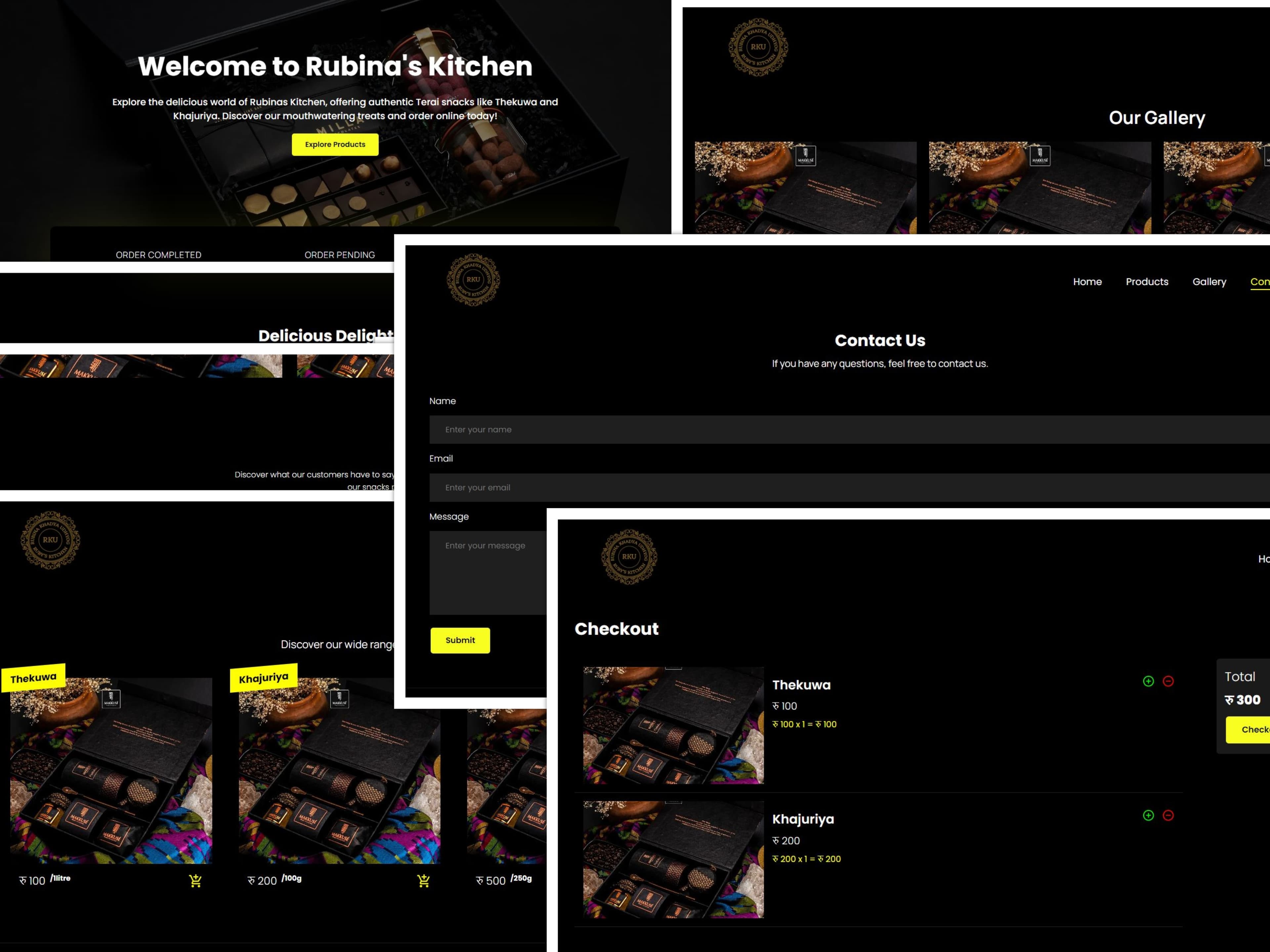
Developed a modern website for Rubina’s Kitchen, showcasing authentic Terai snacks with an easy-to-use product catalog, gallery, and ordering experience. The platform enhances brand visibility and simplifies customer engagement through a responsive design.